
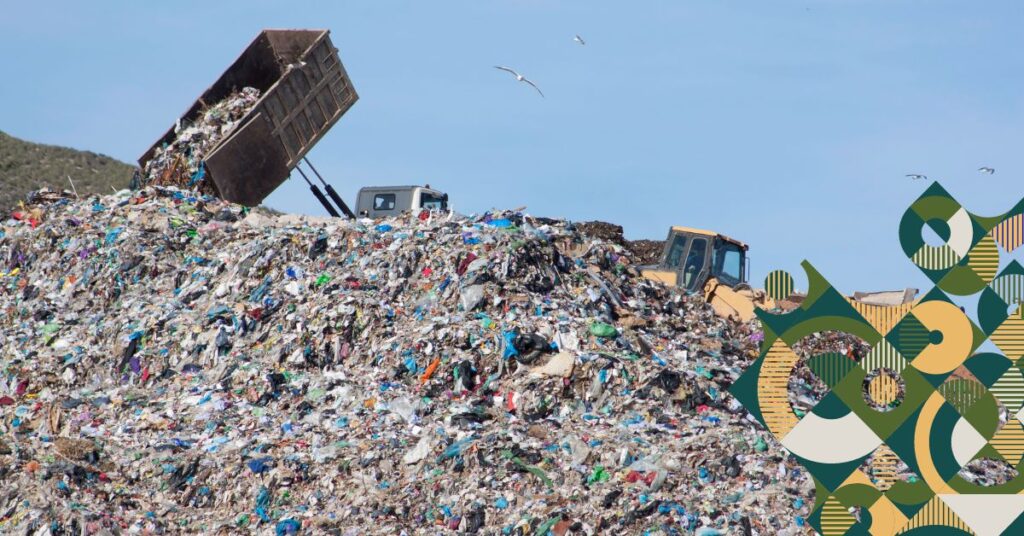

Landfills are a common sight across South Africa, serving as final resting places for vast amounts of waste generated daily. However, the ecological repercussions of these landfills extend far beyond their physical boundaries. In this article, we delve into the significant impact that South African landfills have on our delicate ecosystems.
Landfill Statistics in South Africa:
Recent statistics highlight the pressing issue of landfill waste in the country:
- South Africa generates approximately 108 million tonnes of waste annually, with a landfill diversion rate of only around 10%.
- A significant portion of waste, about 50%, consists of organic material that could potentially be diverted from landfills through composting and other means.
- Landfills receive around 98% of non-hazardous waste, and only a small fraction undergoes recycling, contributing to environmental degradation.
Impact on Ecosystems:
1. Soil and Water Contamination: Landfills pose a significant risk to soil and water quality. The decomposition of organic waste produces harmful gases and leachate, a toxic liquid that can infiltrate soil and contaminate groundwater. This pollution disrupts natural ecosystems and endangers both plant and animal life.
2. Biodiversity Threats:
As landfills expand, they encroach on natural habitats. This displacement can lead to a decline in local biodiversity as native species struggle to adapt or relocate. The influx of waste also attracts scavengers, disrupting local food chains and ecosystem dynamics.
3. Air Pollution and Greenhouse Gases:
Decomposition within landfills releases methane and carbon dioxide, potent greenhouse gases that contribute to climate change. These emissions can worsen air quality and impact the health of nearby communities, further underscoring the interconnectedness of ecosystems and human well-being.
4. Habitat Destruction and Aesthetic Impact:
The establishment of landfills requires substantial land, leading to deforestation and habitat destruction. Unsightly landfill sites not only scar landscapes but also deter ecotourism, which often contributes to local economies.
5. Erosion and Runoff Issues:
Improperly managed landfill sites can exacerbate erosion and create runoff problems. Rainwater can wash away contaminants from the landfill, carrying them into nearby rivers and water bodies, polluting aquatic ecosystems and posing risks to aquatic life.
Addressing the Issue:
- Waste Management Improvement: Strengthen waste separation, recycling, and composting programs to minimize the amount of waste sent to landfills.
- Landfill Rehabilitation: Implement proper capping, monitoring, and management practices to mitigate leachate and gas emissions.
- Promote Circular Economy: Encourage resource recovery and recycling to reduce waste generation and landfill reliance.
Conclusion:
The presence of South African landfills reverberates throughout our ecosystems, impacting biodiversity, air and water quality, and climate stability. As stewards of our environment, it’s crucial to acknowledge the far-reaching consequences of landfill mismanagement. By adopting sustainable waste management practices and advocating for a circular economy, we can begin to heal our ecosystems, minimize ecological damage, and ensure a healthier future for generations to come.


